


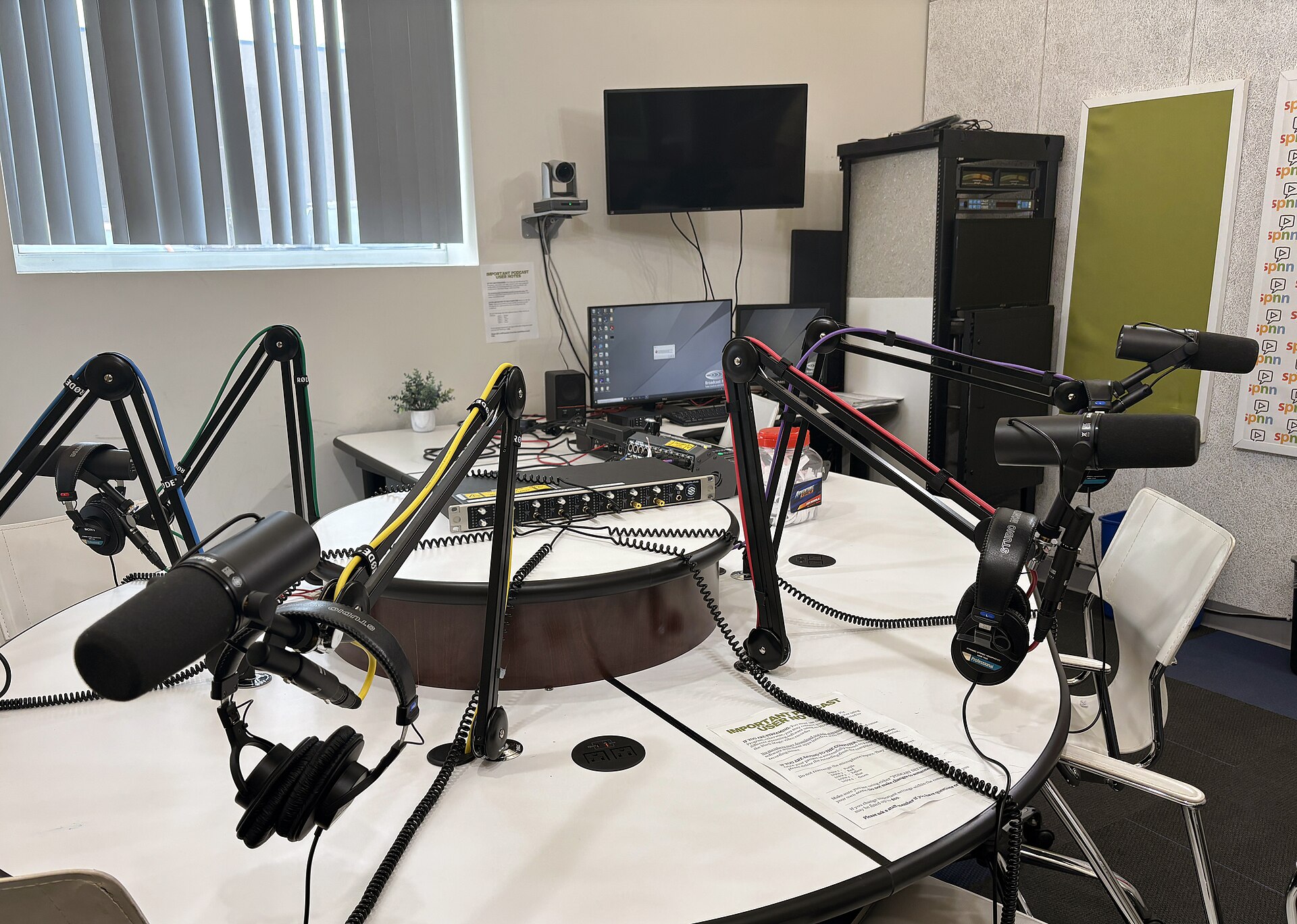
The morning commute used to belong to radio. Increasingly it belongs to podcasts: longer, chosen deliberately, and trusted in a way few other formats command. News podcasts in particular have moved from a niche extra to a primary source, the first account of the day for millions of listeners who may never open a newspaper app or watch a bulletin.
The change is visible in newsroom budgets. Major publishers now launch flagship daily shows with the promotional weight once reserved for front pages, independent journalists build subscription businesses around a microphone, and election and war coverage is planned with audio audiences in mind from the first day.
Why Audio Earns Attention
Podcasts fit the parts of life screens cannot reach: driving, cooking, exercise and housework. A twenty-five-minute episode offers something a feed cannot, a single story or theme explored to a natural end by a voice the listener has chosen. That combination of intimacy and depth explains the loyalty hosts describe, and the completion rates advertisers prize.
The format also restores something digital news lost: the guided sequence. A good news podcast orders the day, explains why each story matters and stops. Listeners to the shows we cover in our technology news pages will recognise the pleasure of being told, by a person rather than an algorithm, that they are now up to date.
From Side Project to Newsroom Centre
Success has professionalised the craft. Daily news podcasts employ producers, fact-checkers and sound designers, and their interviews frequently generate headlines picked up by other outlets. At the same time, the open nature of podcasting means a two-person recording in a spare room can out-perform a broadcaster’s studio show if the hosting and subject connect.
Industry coverage by organisations such as BBC News, itself a major podcast producer, charts both sides of the market: heavy investment at the top, and a long tail where discovery and sustainable income remain difficult. Video versions, live tours and subscriptions have all become part of the business model as pure advertising proved unpredictable.
What Listening Changes
Critics note one honest limitation: audio is hard to skim, search or check, and a persuasive voice can make weak claims sound strong. Careful listeners therefore treat podcasts as they would any source, noticing whether claims are attributed and whether other outlets report the same facts. The best shows help them, publishing sources and corrections alongside episodes.
The economics reward patience. A podcast audience is built episode by episode, and revenue usually lags reputation by a year or more, which is why so many successful news shows began inside established publishers able to carry the early losses. Independent creators face the same curve with thinner protection, and the industry’s honest advice to newcomers is unglamorous: publish reliably, sound good, and treat the hundredth episode as the real launch.
Measurement is maturing alongside the money. Downloads, long a flattering and fuzzy metric, are being supplemented by verified listening data, completion rates and subscriber retention, which tell hosts what audiences actually finish. The effect on editorial choices is visible: shorter introductions, tighter edits and respect for the listener’s time, disciplines that radio learned long ago and podcasting is now learning for itself.
Hosts feel the shift personally. Many describe reading listener messages that begin with the words every morning, a reminder that the programme has become part of a routine as fixed as the commute itself, and a responsibility they plan their reporting around.
Those caveats aside, the direction is unmistakable. A generation that reads less print and watches less scheduled television is not consuming less journalism; it is listening to it, at length, by choice. For an industry worried about attention, the audience podcasts have built, episode by episode, is among the most hopeful developments in years, and one we track on News Versa.
