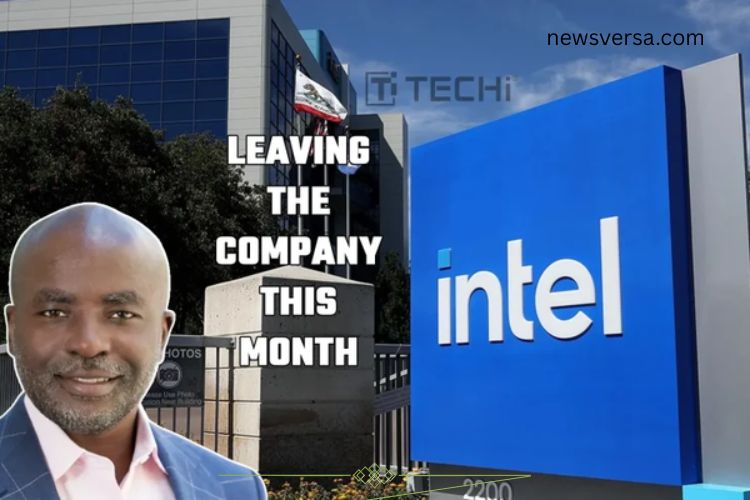
Intel is preparing for a significant leadership change as Safroadu Yeboah-Amankwah, the company’s Chief Strategy Officer (CSO), steps down on June 30. This transition comes at a pivotal time for Intel, one of the world’s largest semiconductor manufacturers, as it navigates fierce competition and works to reclaim its position at the forefront of the semiconductor industry.
Yeboah-Amankwah’s departure signals a potential turning point in Intel’s corporate strategy, especially as the company seeks to strengthen its presence in data centers, artificial intelligence, and high-performance computing. His exit has raised questions about the company’s strategic direction, but Intel’s recent moves suggest a strong commitment to technological innovation and market leadership.
Read More: Apple Firmly Rejects Musk’s Bold Claim of App Store Favoritism Toward OpenAI
A Strategic Visionary at the Helm
Safroadu Yeboah-Amankwah joined Intel in 2020 and quickly became a central figure in shaping the company’s long-term vision. As CSO, he oversaw the global strategy office, growth operations, and equity investment initiatives. His role was pivotal in identifying new markets, fostering innovation, and guiding Intel through a period of significant technological transformation.
During his tenure, Intel made substantial progress in strategic areas, particularly in developing its data center capabilities, advancing artificial intelligence solutions, and expanding its foundry services. These initiatives reflect Intel’s efforts to diversify its offerings and position itself as a leader in emerging technology markets.
Intel Confirms Resignation
Intel has officially confirmed Yeboah-Amankwah’s resignation and expressed appreciation for his contributions to the company’s strategic growth. The firm has not publicly disclosed the reasons behind his departure, leaving room for speculation among industry analysts and investors.
In response to the leadership gap, Intel has elevated Sachin Katti to Chief Technology and AI Officer. Katti will assume some responsibilities previously held by Yeboah-Amankwah, signaling a sharpened focus on artificial intelligence and high-performance computing—areas identified as critical to Intel’s future growth and innovation.
Implications for Intel’s Strategy
Leadership changes at a senior level often trigger questions about a company’s strategic trajectory. Yeboah-Amankwah’s resignation could prompt concerns over Intel’s ability to maintain continuity in its long-term plans. Investors and competitors will be closely monitoring the transition to assess whether Intel will stay on its current path or adjust its strategic priorities.
However, Intel’s promotion of Katti and the creation of a new reporting structure indicate that the company is committed to executing high-priority initiatives. This move emphasizes Intel’s intention to strengthen its technology leadership and enhance its capabilities in critical growth sectors.
Focus on Artificial Intelligence and High-Performance Computing
Intel’s decision to elevate Sachin Katti underscores the company’s strategic emphasis on AI and high-performance computing. These technologies are increasingly shaping the semiconductor industry, with demand for AI-driven solutions and advanced computing accelerating across multiple sectors.
By aligning leadership roles with emerging technological trends, Intel aims to secure a competitive advantage in areas that will define the next phase of innovation. Katti’s expertise positions the company to drive AI initiatives, optimize high-performance computing systems, and capitalize on growth opportunities in global markets.
Maintaining Stability in a Dynamic Industry
The semiconductor industry is highly dynamic, with rapid technological advances and intense global competition. Stability in leadership, combined with a clear and actionable vision, is critical for companies like Intel to navigate market challenges effectively.
Intel’s leadership transition will be closely watched by investors, partners, and industry analysts. A smooth handover and strategic clarity are essential for maintaining confidence in the company’s trajectory, particularly as it pushes forward in AI, data centers, and advanced foundry services.
Investor and Market Reactions
Market observers often view executive changes as indicators of potential shifts in corporate strategy. While Yeboah-Amankwah’s resignation may raise questions about continuity, Intel’s proactive restructuring demonstrates a commitment to reinforcing its technological focus.
The promotion of Katti and the emphasis on AI suggest that Intel is prioritizing long-term growth areas over short-term disruptions. Investors are likely to interpret these moves as positive steps toward innovation leadership, signaling that Intel remains dedicated to maintaining its competitive edge.
Intel’s Long-Term Outlook
Intel faces both challenges and opportunities in the coming years. Competitive pressure from rivals, the increasing importance of AI, and evolving market dynamics make strategic agility essential. The company’s response to leadership transitions will play a significant role in its ability to maintain relevance and drive growth.
By investing in AI and high-performance computing and promoting leaders with expertise in these fields, Intel is positioning itself for a future defined by technological leadership. These moves align with its broader mission to regain market share, expand into emerging sectors, and remain a dominant force in the semiconductor industry.
Frequently Asked Questions:
Who is leaving Intel this month?
Safroadu Yeboah-Amankwah, Intel’s Chief Strategy Officer, is stepping down from his role on June 30.
Why is Intel’s CSO resigning?
Intel has not publicly disclosed the reasons for Yeboah-Amankwah’s resignation, leaving industry analysts and investors to speculate on potential strategic or personal factors.
What impact could this leadership change have on Intel?
The resignation may raise questions about Intel’s strategic direction and leadership stability. However, the company’s promotion of Sachin Katti to Chief Technology and AI Officer signals continuity and a strong focus on AI and high-performance computing.
Who is taking over the responsibilities of the departing CSO?
Sachin Katti, recently promoted, will assume key responsibilities, particularly in technology strategy and artificial intelligence initiatives.
How long has Yeboah-Amankwah been with Intel?
He joined Intel in 2020 and has played a central role in shaping the company’s long-term strategy, overseeing growth operations, global strategy, and equity investment initiatives.
What areas did Yeboah-Amankwah focus on during his tenure?
His tenure emphasized strategic growth in data centers, AI, foundry services, and innovation-driven market expansion.
How is Intel positioning itself for the future amid this change?
Intel is realigning leadership to prioritize AI and high-performance computing, reflecting its commitment to technological innovation and competitive market positioning.
Conclusion
Intel’s announcement of Safroadu Yeboah-Amankwah’s departure marks a pivotal leadership shift at one of the world’s top semiconductor companies. While the reasons for his resignation remain undisclosed, the promotion of Sachin Katti to Chief Technology and AI Officer underscores Intel’s strategic focus on artificial intelligence, high-performance computing, and future innovation. This transition highlights the company’s commitment to maintaining technological leadership and market competitiveness, even amid executive changes. For investors, partners, and industry watchers, Intel’s proactive restructuring signals stability, a clear vision, and readiness to capitalize on emerging opportunities in a fast-evolving semiconductor landscape.