


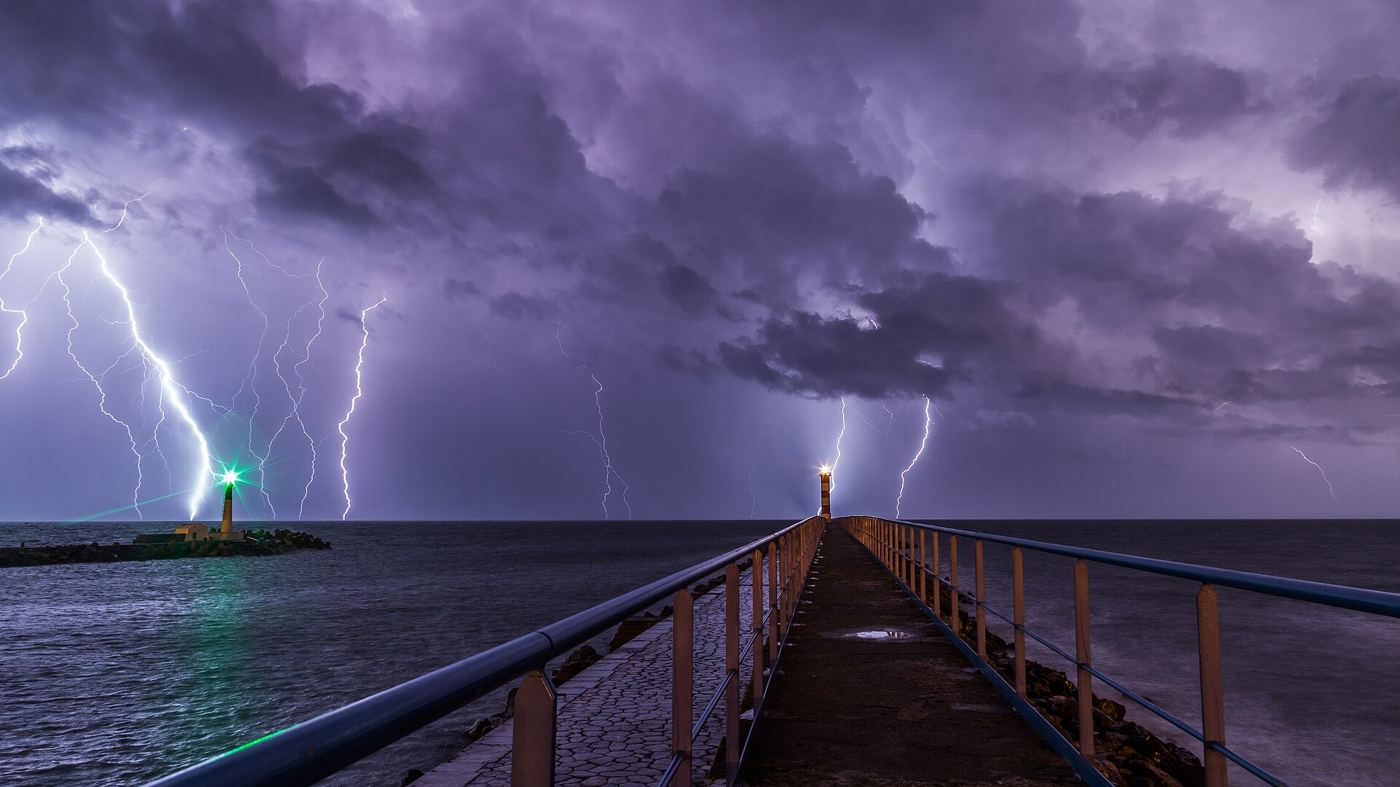
A single lightning strike carries enough energy to cripple equipment it never quite touches, sending surges through power and data lines far from the impact point. Engineers protecting electricity networks, communication towers and wind turbines therefore design for lightning as a certainty rather than an accident. Protection starts with giving the strike a safe path: air terminals and down conductors carry current to earth, while surge devices clamp the excess voltage that tries to enter buildings and electronics. Bonding metalwork together prevents dangerous differences in voltage during a strike. On exposed hilltops and across open country, where towers meet the sky alone, these measures decide whether a storm is an inconvenience or an expensive failure. Insurance assessments increasingly ask for evidence of that protection, recognising that a well-earthed, well-bonded installation suffers less damage and returns to service far faster.
What the Evidence Shows
Modern protection is also diagnostic. Counters and sensors record strikes on towers and turbines, so maintenance teams know which structures to inspect for hidden damage to blades, bearings or electronics after severe weather. Grid operators combine strike data with outage reports to find vulnerable stretches of line and prioritise upgrades such as shield wires and improved earthing. Standards are updated as measurements improve, reflecting the reality that a protection system is only as good as its weakest connection. Engineers stress that no design makes a structure lightning-proof in absolute terms; the goal is controlled, survivable strikes. As more infrastructure spreads onto exposed sites for renewable energy and communications, that goal grows more important each storm season. Each storm season tests those preparations again, and each inspection afterwards adds measurements that make the next design a little smarter than the last one. Reporting and analysis from sources such as IEEE Spectrum track the same developments, and specialists following lightning protection for infrastructure say the direction is now consistent across independent lines of evidence.
The Wider Context
Adoption of lightning protection for infrastructure follows a familiar pattern with an unfamiliar speed. Early users tolerate rough edges in exchange for advantage, mainstream users arrive when the tool disappears into existing workflows, and the market consolidates around whoever made that transition feel effortless. Vendors are racing less on raw performance now than on integration, support and trust.
What Happens Next
The realistic forecast for lightning protection for infrastructure is steady integration rather than sudden replacement: embedded in products people already use, improving in increments, and regulated in proportion to its reach. The companies and institutions that plan on that basis, training staff and redesigning processes instead of chasing launches, are the ones the adoption data tends to vindicate. You can follow related developments in our coverage of technology.
It is also worth remembering how quickly the picture in this area has changed before. Positions that looked settled a few years ago have been revised as new data arrived, and the same humility is appropriate now. The strongest coverage of this subject, and the most useful advice, tends to come from sources that update their views openly when the facts move, rather than defending an earlier position long after it has stopped fitting the evidence available.
