


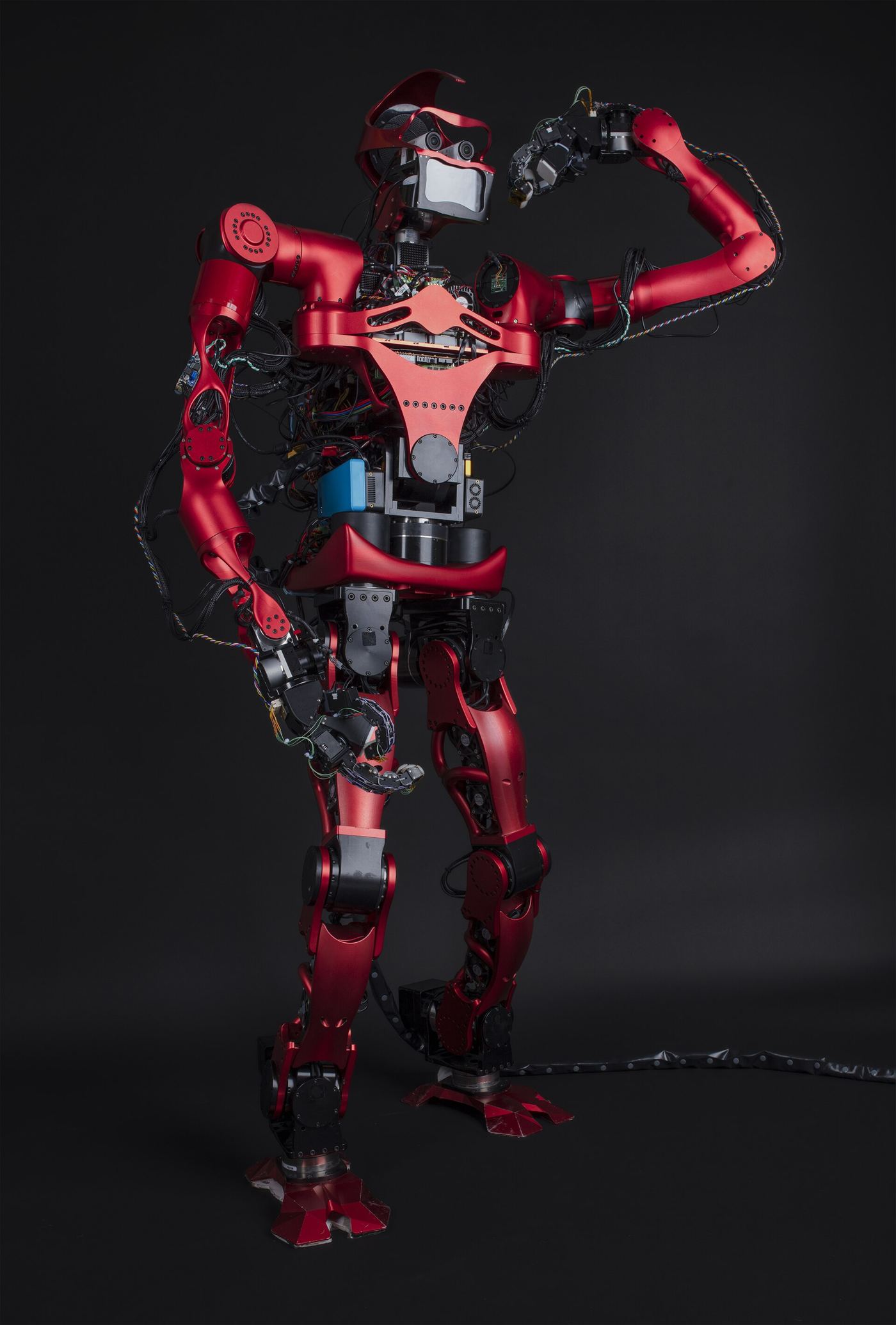
Tesla has begun early production of its Optimus humanoid robot at its Fremont factory, the company said in its third-quarter 2026 shareholder letter published on 21 October 2026. The robots coming off the new high-volume line are the first production-quality Optimus units Tesla has built, although the company gave no unit count, build rate, price or named customer. On the earnings call the same day, chief executive Elon Musk called it early production on a high-volume line and warned that the ramp would be slow and somewhat bumpy, because the product is so new. Tesla has been talking about Optimus Gen 3 for more than a year and is already manufacturing robots that suppliers and reporters label V3, although the company has not yet shown that version publicly.
What the Evidence Shows
Musk said Fremont is laid out for about one million robots a year, roughly 20,000 a week, and that reaching that rate is at least a year away, with Giga Texas built for far more. Deliveries to outside companies should start around the end of 2027, once reliability and durability problems are solved, and the first buyers will most likely be industrial customers. The robots built so far stay inside Tesla, and no Optimus has been delivered to a customer outside the company. Musk has previously put the long-term price target at 20,000 to 30,000 dollars. Tesla has given no count of robots built and no announced outside customer. The first cars will be limited, premium-priced models. Reporting and analysis from sources such as IEEE Spectrum track the same developments, and specialists following the Tesla Optimus Fremont production line say the direction is now consistent across independent lines of evidence.
The Wider Context
Adoption of the Tesla Optimus Fremont production line follows a familiar pattern with an unfamiliar speed. Early users tolerate rough edges in exchange for advantage, mainstream users arrive when the tool disappears into existing workflows, and the market consolidates around whoever made that transition feel effortless. Vendors are racing less on raw performance now than on integration, support and trust.
What Happens Next
The realistic forecast for the Tesla Optimus Fremont production line is steady integration rather than sudden replacement: embedded in products people already use, improving in increments, and regulated in proportion to its reach. The companies and institutions that plan on that basis, training staff and redesigning processes instead of chasing launches, are the ones the adoption data tends to vindicate. You can follow related developments in our coverage of technology.
It is also worth remembering how quickly the picture in this area has changed before. Positions that looked settled a few years ago have been revised as new data arrived, and the same humility is appropriate now. The strongest coverage of this subject, and the most useful advice, tends to come from sources that update their views openly when the facts move, rather than defending an earlier position long after it has stopped fitting the evidence available.
