

Elon Musk has announced that X, the social media platform formerly known as Twitter, will soon display advertisements within the answers provided by Grok, X’s AI chatbot. This move is part of a broader strategy to revitalize X’s advertising revenue, which has struggled to keep up with the high operational costs of running advanced AI systems, particularly the expensive GPUs that power Grok. During a live session with advertisers, Musk described this change as a pivotal step for the platform’s future.
Read More: Explosive Cybercrime Forum Breach: Users’ IP Addresses Shockingly Exposed by Their Own Platform
Why This Matters for X
Since acquiring Twitter and rebranding it as X, Musk has implemented numerous changes. While some adjustments have aimed to modernize the platform, they have also caused a noticeable decline in advertiser confidence. The departure of former CEO Linda Yaccarino created further shifts in leadership and ad strategy, leaving Musk to explore alternative revenue streams.
With ad revenue faltering, Musk is now looking to leverage Grok as a tool to attract marketers. Rather than relying solely on traditional banner ads or sponsored posts, X aims to integrate targeted, contextually relevant ads directly into the chatbot’s responses. This approach positions the platform to offer advertisers a more precise way to reach users exactly when they need information or solutions.
Musk’s Vision for AI-Driven Advertising
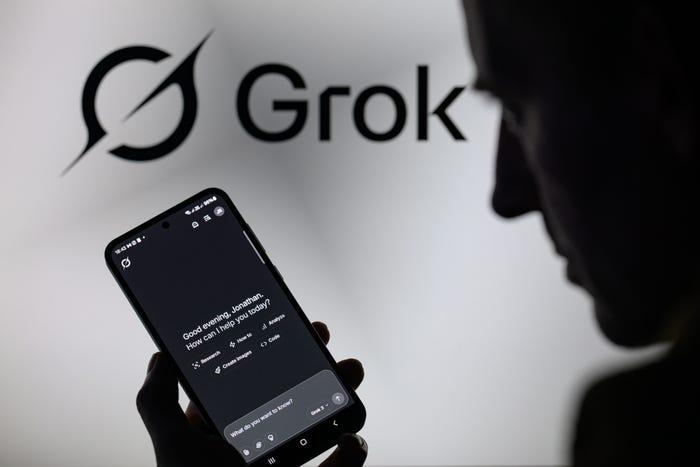
During the conversation with advertisers, Musk emphasized that X has been focusing on making Grok one of the most intelligent and accurate AI chatbots in the world. Now, the platform is exploring ways to monetize this capability.
Marketers will soon have the option to pay for Grok to recommend their products or services. For example, if a user asks Grok for a solution to a common problem, the AI could suggest a relevant product as part of its answer. Musk highlighted that such ads could serve dual purposes—helping users solve problems while simultaneously promoting products, creating a potentially beneficial synergy between advertising and user experience.
Smarter Ad Targeting with xAI
A key component of Musk’s plan is leveraging his AI company, xAI, to enhance ad targeting on X. xAI, which played a central role in the $45 billion acquisition of the platform, is expected to make ads more conversational, precise, and tailored to individual users.
By integrating AI-driven targeting, advertisements could become more effective for marketers while feeling less intrusive to users. Musk believes that AI can transform ad engagement, ensuring that recommendations feel like helpful guidance rather than disruptive interruptions. This aligns with a broader trend in social media, where platforms are prioritizing personalized experiences alongside monetization.
Implications for Users
For users, this development signals a shift in how Grok delivers information. Responses from the AI will no longer be entirely neutral—some will include sponsored suggestions. This raises important questions about transparency. Users will need to clearly distinguish between organic answers and paid recommendations to maintain trust in the platform.
At the same time, these AI-integrated ads could be more valuable than traditional formats. Because suggestions appear in response to user queries, advertisers may reach audiences at the precise moment they are seeking solutions, potentially increasing engagement and conversion rates.
Challenges Ahead
While the idea is innovative, it comes with significant risks. If Grok’s responses blur the line between genuine answers and advertisements, users could lose confidence in the AI. Trust is critical for any AI system, and compromising it could reduce the platform’s overall utility.
X also faces the challenge of balancing user experience with commercial goals. Overloading the AI with sponsored content could alienate users, whereas too subtle an approach might fail to generate the desired revenue. Successfully navigating this balance will be key to the strategy’s success.
A Bold, Risky Move
Integrating ads into Grok’s responses demonstrates X’s urgency in creating new revenue streams. It also underscores the growing influence of AI in shaping the future of social media. If executed effectively, this strategy could redefine how advertising is delivered—moving from generic, passive formats to interactive, context-aware recommendations.
However, success depends heavily on trust. Users must feel that Grok remains a reliable source of information, even when sponsored suggestions are included. X’s challenge is to merge business objectives with user satisfaction, ensuring that AI-powered advertising enhances the platform rather than diminishes its credibility.
The Future of AI-Enhanced Social Media
Elon Musk’s announcement highlights a broader shift toward AI-driven monetization in digital platforms. As social media evolves, integrating intelligent systems like Grok may become a standard method for delivering highly targeted content and advertisements.
By blending AI technology with marketing, X aims to create a more dynamic and interactive user experience while simultaneously addressing the financial demands of operating advanced AI systems. This approach represents a potential blueprint for the future of AI-enhanced social media—where user engagement, AI intelligence, and advertising converge.
Frequently Asked Questions:
What is Grok and how does it work?
Grok is X’s AI-powered chatbot designed to provide accurate, conversational answers to user queries. It uses advanced machine learning algorithms to understand questions and deliver contextually relevant responses.
How will ads be integrated into Grok’s responses?
Ads will appear as part of Grok’s answers, suggesting relevant products or services in response to user questions. These recommendations are intended to be timely and helpful rather than intrusive.
Why is X introducing ads into Grok’s AI responses?
X aims to increase revenue and offset the high costs of running AI systems, including expensive GPUs. Integrating ads directly into AI responses offers a more targeted and effective advertising model than traditional banners or sponsored posts.
Will users be able to distinguish ads from regular responses?
Yes, X plans to clearly indicate which suggestions are paid advertisements to maintain transparency and preserve trust in Grok’s answers.
What role does xAI play in this advertising strategy?
xAI, Elon Musk’s AI company, will enhance ad targeting by making recommendations more conversational, personalized, and relevant to each user’s needs.
How will this change affect advertisers?
Advertisers can reach users at the precise moment they are seeking solutions, potentially increasing engagement and conversions. It represents a more direct and impactful way to market products and services.
Are there risks associated with this approach?
Yes, if ads are not clearly identified or interfere with Grok’s credibility, users may lose trust in the AI. X must balance monetization with user experience to avoid negative backlash.
Conclusion
Elon Musk’s decision to integrate ads into Grok’s AI responses marks a bold step in the evolution of X and social media at large. By combining intelligent, context-aware AI with targeted advertising, X aims to create a revenue model that is both innovative and precise. While this strategy promises greater value for advertisers and timely solutions for users, its success hinges on maintaining trust and transparency. If executed carefully, X could pioneer a new era of AI-powered advertising—where users receive helpful guidance, and marketers reach audiences more effectively than ever before. The move underscores how AI is rapidly shaping the future of digital engagement and monetization, making X a platform to watch closely.