
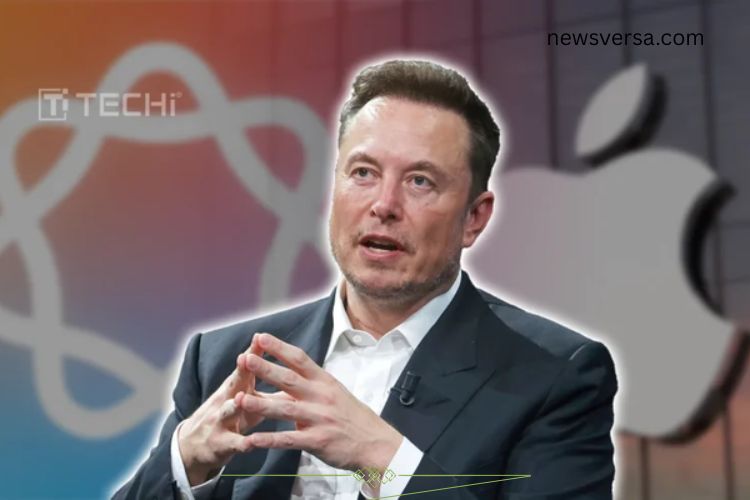
Apple has firmly rejected Elon Musk’s allegations that the App Store favors OpenAI over other AI applications. The controversy emerged when Musk, through his company xAI, claimed that Apple’s ranking system gives OpenAI an unfair advantage, making it nearly impossible for competing AI apps to reach the top. He even hinted at potential legal action. Apple responded decisively, emphasizing that its app rankings are determined by objective metrics rather than favoritism.
The company told the BBC that App Store listings are shaped by a combination of algorithmic suggestions, charts, and curated selections by experienced editors. These rankings rely on measurable factors such as performance and user engagement—not partnerships or special treatment.
Read More: LegalZoom Stock Soars Excitingly After Groundbreaking OpenAI ChatGPT Partnership Reveal
The Core of the Dispute: OpenAI Partnership
The tension partly stems from Apple’s partnership with OpenAI last year. The collaboration aimed to integrate AI tools like ChatGPT into Apple products, including Siri and iOS. While the alliance marked a major step forward for Apple in AI, it also sparked concerns over fair competition.
Musk’s main argument is that this partnership could influence app rankings. However, evidence from the past year shows that other AI apps, such as Perplexity and DeepSeek, have successfully reached the top of the charts. This demonstrates that OpenAI’s presence does not automatically dominate App Store rankings.
Evolving Scrutiny of Apple’s App Store
Apple has long faced criticism over its control of the App Store, but scrutiny is intensifying. Regulators worldwide are examining how the company manages app distribution to ensure fair competition and prevent large platforms from disadvantaging smaller rivals.
In the U.S., Apple has faced legal setbacks, notably in its ongoing dispute with Epic Games. A federal judge recently rebuked Apple for failing to implement mandated App Store policy changes fully. Musk’s comments add another layer of public pressure, highlighting the global attention on Apple’s platform practices.
Why This Matters for the AI Industry
The AI market is fiercely competitive, and mobile platforms like the App Store are critical for reaching users. If developers perceive the ranking system as biased, trust in the marketplace could erode, discouraging startups and smaller AI companies.
Musk’s xAI is positioning itself as a rival to OpenAI, aiming to develop powerful AI models. His criticism of Apple reflects both fairness concerns and business interests. Control over distribution channels like the App Store can offer immense advantages in accessing consumers, making transparency and equal opportunity crucial for the industry.
The Need for Transparency and Trust
Apple’s public response to Musk signals awareness of growing scrutiny from regulators and the public. Ensuring fair and understandable ranking systems is essential to maintain trust among developers and users.
The App Store remains a central gateway to millions of users, making transparent practices vital as AI adoption expands. How Apple handles these allegations may set a precedent for future interactions with competitors and governments seeking to regulate tech markets. While Apple has defended its rankings, skepticism about fairness is likely to continue, and perception may be as influential as reality in shaping public opinion.
Frequently Asked Questions:
What did Elon Musk claim about the Apple App Store?
Elon Musk alleged that the App Store gives OpenAI special treatment, making it difficult for other AI apps to rank highly unless they are OpenAI products.
How did Apple respond to Musk’s allegations?
Apple firmly denied the claims, stating that app rankings are based on objective criteria like performance and user engagement, not partnerships or favoritism.
Why did Musk raise concerns about OpenAI’s ranking?
Musk’s concern stemmed from Apple’s partnership with OpenAI, which integrated tools like ChatGPT into Apple products, raising questions about fair competition.
Are other AI apps able to reach the top of the App Store?
Yes. Apps like Perplexity and DeepSeek have achieved top rankings, showing that OpenAI does not automatically dominate the App Store.
Is Apple under scrutiny for its App Store practices?
Yes. Regulators worldwide are examining Apple’s control over app distribution to ensure fair competition and prevent disadvantages to smaller developers.
How could this dispute affect the AI industry?
Perceived favoritism could reduce trust among developers, discourage startups, and impact investment and innovation in AI technologies.
What does Apple say about the App Store ranking system?
Apple says rankings rely on measurable metrics such as user engagement, app performance, and editorial curation—not any single company’s influence.
Conclusion
Apple’s firm rejection of Elon Musk’s claims highlights the ongoing tension between innovation, competition, and transparency in the tech industry. While Musk raised concerns about potential favoritism toward OpenAI, Apple maintains that its App Store rankings are based on measurable metrics such as app performance and user engagement—not partnerships. As AI continues to grow as a highly competitive market, fair and transparent app distribution is crucial for startups, developers, and consumers alike. How Apple addresses these criticisms will not only influence public perception but may also set a precedent for future tech competition and regulatory oversight, ensuring the App Store remains a trusted platform for millions of users worldwide.