
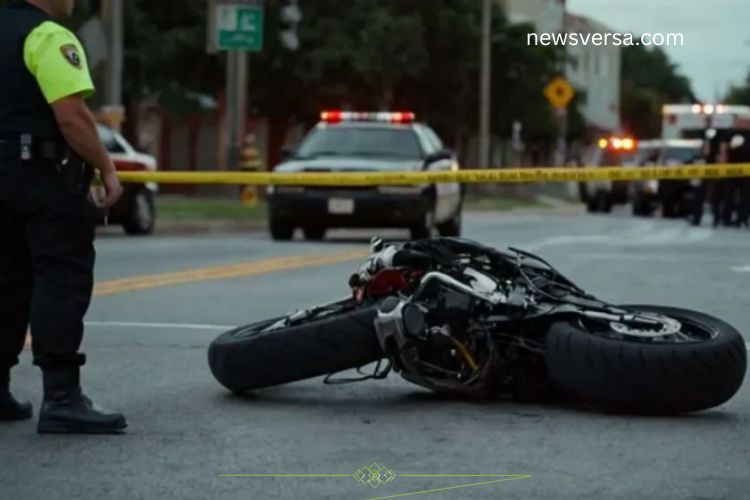
Motorcycle crashes in Charlotte can change lives in an instant. One moment you’re enjoying the freedom of the open road; the next, you may face serious injuries, mounting medical bills, and weeks—or even months—away from work. While no settlement can undo the trauma, understanding how compensation works can help you recover and rebuild your life.
This guide explains how motorcycle accident compensation works in Charlotte and what injured riders need to know to protect their rights.
The Reality of Motorcycle Accidents in Charlotte
Charlotte’s rapid growth and busy roadways have increased traffic and accident risk. Key corridors like I-77, I-85, and I-485, along with city streets such as Independence Boulevard and Providence Road, are high-risk zones for motorcyclists. Changing weather patterns, rain, and slick roads further increase the likelihood of accidents.
Motorcycle crashes in Mecklenburg County are notably high compared to other North Carolina regions. Understanding the risks and being prepared for potential legal and insurance challenges is crucial for riders.
Types of Compensation After a Motorcycle Crash
If you are injured in a motorcycle crash, you may be entitled to various forms of compensation:
Medical Expenses
Compensation covers all crash-related medical costs, including:
- Emergency room care and hospital stays
- Surgeries and specialist visits
- Physical therapy and rehabilitation
- Prescription medications and medical equipment
- Future medical treatment related to the accident
Severe injuries can result in medical bills totaling hundreds of thousands of dollars, making this compensation critical.
Lost Income
If your injuries prevent you from working, you may recover:
- Wages lost during recovery
- Reduced earning capacity if you cannot return to your previous role
- Lost benefits or retirement contributions
- Lost business opportunities for self-employed riders
Property Damage
Motorcycle crashes often damage more than just the bike. Compensation may cover:
- Repair or replacement of your motorcycle
- Riding gear and personal equipment
- Personal items damaged in the crash
- Home or vehicle modifications required due to your injuries
Pain and Suffering
Non-economic damages account for physical and emotional hardships, including:
- Physical pain endured during and after the accident
- Emotional distress and anxiety
- Loss of enjoyment of life
- Disfigurement or permanent scarring
Additional Damages
Depending on the case, additional compensation may include:
- Loss of consortium (impact on marital relationships)
- Permanent disability
- Wrongful death damages if a loved one died in the crash
- North Carolina’s Contributory Negligence Rule
North Carolina follows a strict contributory negligence rule, meaning if you are even 1% at fault, you may be barred from recovering any compensation. This makes motorcycle accident claims particularly challenging, as insurance companies often attempt to assign partial blame to riders, citing:
- Speeding
- Unsafe lane changes
- Failing to signal
- Limited visibility to other drivers
Because of this rule, skilled legal representation is essential for motorcyclists in Charlotte.
Insurance Considerations
Several types of insurance may play a role after a motorcycle crash:
- The At-Fault Driver’s Liability Insurance
- North Carolina requires minimum coverage of:
- $30,000 for bodily injury per person
- $60,000 for total bodily injury per crash
- $25,000 for property damage
For severe motorcycle injuries, these minimums often fall short.
Your Motorcycle Insurance
Motorcyclists must carry liability coverage, but optional policies can provide added protection:
- Uninsured/Underinsured Motorist (UM/UIM) Coverage: Covers injuries if the at-fault driver lacks sufficient insurance
- MedPay: Pays medical costs regardless of fault
- Collision Coverage: Covers repair or replacement of your motorcycle
Health Insurance
Health insurance may cover some medical costs but can seek reimbursement from your settlement through subrogation.
How Fault Is Determined in Charlotte
Proving fault is essential for securing compensation. Evidence may include:
- Police crash reports
- Witness statements
- Surveillance or traffic camera footage
- Skid mark analysis and vehicle damage patterns
Medical records
Expert testimony from accident reconstructionists
Common scenarios where other drivers are typically at fault include:
- Left turns in front of motorcycles
- Unsafe lane changes
- Following too closely
- Distracted driving or DUI
- Opening car doors into a motorcycle’s path
The Claim Process Timeline
Filing a compensation claim usually follows several stages:
- Medical Treatment: Prioritize recovery first.
- Attorney Consultation: Contact a qualified lawyer once your condition stabilizes.
- Investigation: Your attorney collects evidence, including expert analyses.
- Demand Preparation: A formal demand letter outlines injuries and damages.
- Negotiation: Attorneys negotiate settlements with insurance companies.
- Litigation: If no fair settlement is reached, a lawsuit is filed.
- Discovery: Both sides exchange evidence through depositions and document requests.
- Mediation: Many cases settle during court-ordered mediation.
- Trial: If unresolved, your case proceeds to trial.
- Resolution: Settlement or verdict concludes the case, and compensation is distributed.
Cases can take months to over a year, depending on complexity and the need for litigation.
Factors That Affect Compensation Amounts
Several elements influence settlement amounts:
- Injury severity: More severe injuries usually lead to higher compensation.
- Clear liability: Cases with obvious fault typically resolve more favorably.
- Insurance policy limits: Coverage caps can restrict potential recovery.
- Documented damages: Well-documented financial losses strengthen claims.
- Attorney expertise: Experienced lawyers often secure larger settlements.
- Case patience: Thorough development often results in higher compensation than rushing a settlement.
Common Challenges in Motorcycle Accident Claims
Motorcycle accident claims face unique obstacles:
Bias Against Motorcyclists
Many people assume all motorcyclists are reckless. Attorneys must counter these biases during claims or trial.
Severity of Injuries
Motorcycle crashes often result in catastrophic injuries requiring long-term care. Properly valuing future medical costs requires medical and economic expertise.
Insurance Company Tactics
Insurers may attempt to minimize payouts by:
- Offering quick, low settlements
- Claiming injuries predated the crash
- Using social media to challenge claims
- Conducting surveillance to dispute injury severity
- Protecting Your Rights After a Crash
A motorcycle crash brings physical, emotional, and financial challenges. While compensation cannot undo the accident, it provides the resources needed to cover medical bills, lost income, and life adjustments.
Charlotte’s contributory negligence rule, insurance hurdles, and juror bias make these cases complex. Acting quickly and retaining skilled legal representation improves your chances of securing fair compensation. Experienced attorneys can navigate these challenges and advocate for the justice and financial recovery you deserve.
Frequently Asked Questions:
What types of compensation can motorcycle accident victims receive in Charlotte?
Victims may be entitled to medical expenses, lost wages, property damage, pain and suffering, and in some cases, additional damages such as permanent disability or loss of consortium.
How does North Carolina’s contributory negligence rule affect motorcycle accident claims?
North Carolina follows a strict contributory negligence law, meaning that if you are even 1% at fault for the accident, you may be barred from recovering compensation. Skilled legal guidance is essential to navigate this rule.
How long does it take to receive compensation after a motorcycle crash?
The timeline varies. Minor claims may settle in a few months, while complex cases involving serious injuries or disputed fault can take over a year, especially if litigation is required.
Do I need a lawyer to file a motorcycle accident claim in Charlotte?
While it’s possible to file a claim on your own, hiring an experienced attorney significantly increases your chances of obtaining fair compensation, especially given the legal complexities and insurance tactics often used against motorcyclists.
What evidence is needed to prove fault in a motorcycle accident?
Key evidence includes police reports, witness statements, surveillance or traffic camera footage, vehicle damage patterns, skid mark analysis, medical records, and expert testimony.
Can I receive compensation if the other driver doesn’t have insurance?
Yes. Uninsured/Underinsured Motorist (UM/UIM) coverage on your own policy can help cover medical bills and lost wages if the at-fault driver lacks adequate insurance.
How are non-economic damages like pain and suffering calculated?
Non-economic damages consider physical pain, emotional distress, loss of enjoyment of life, and permanent disfigurement. Experienced attorneys work with medical and economic experts to accurately value these losses.
Conclusion
Motorcycle accidents in Charlotte can be devastating, leaving riders with serious injuries, financial burdens, and emotional stress. While no settlement can undo the trauma, understanding how motorcycle accident compensation works empowers victims to take control of their recovery. From covering medical expenses and lost wages to addressing pain, suffering, and long-term needs, compensation provides the resources needed to rebuild life after a crash. Navigating North Carolina’s strict contributory negligence law, insurance complexities, and potential biases requires skilled legal guidance.