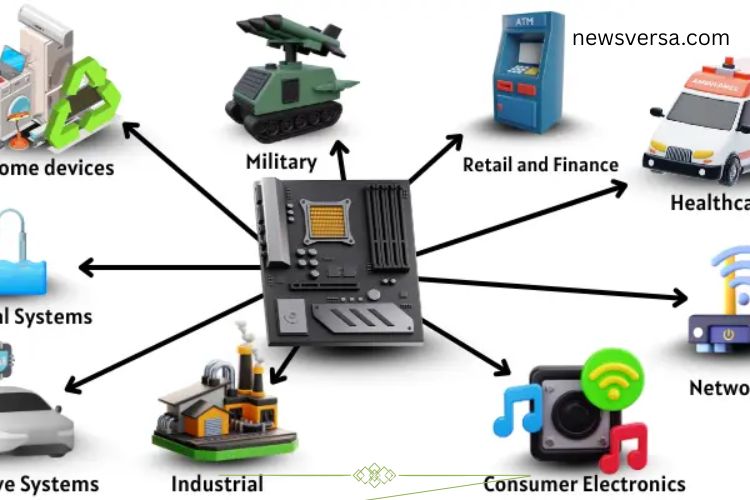
Did you know that most computers around you are hidden inside other devices? Over 90% of computers today are embedded in gadgets like phones, cars, and household appliances. These tiny computers power devices behind the scenes, making everyday tasks smarter, faster, and more efficient. This guide explores 30 practical examples of embedded computers and highlights how they shape modern life.
Read More: Unlocking the Ultimate Guide to Powerful Storage Devices: Explore, Understand, and Master Your Data!
What Are Embedded Computers?
Embedded computers are specialized computing systems designed to perform specific tasks within larger devices. Unlike traditional PCs, they are optimized for efficiency, speed, and reliability. From home appliances to industrial machines, embedded computers make devices smarter, safer, and more responsive.
Embedded Computers in Household Devices
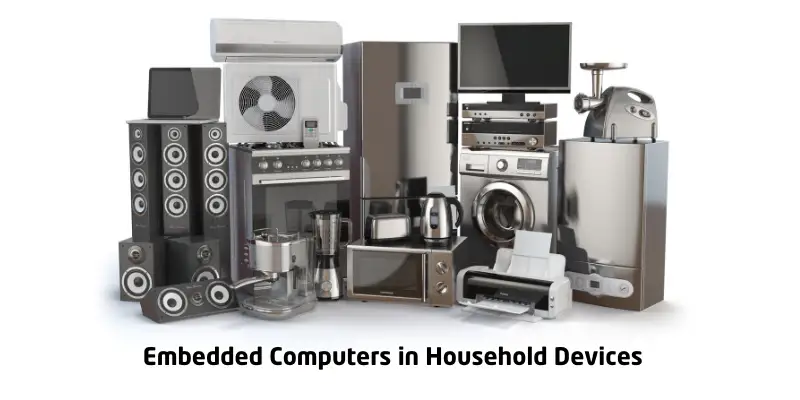
Embedded computers are the silent helpers in our homes, automating tasks and improving convenience.
Microwave Ovens
Microwaves use embedded computers to regulate cooking time and temperature. These computers allow preset cooking options, ensuring food heats evenly and quickly.
Washing Machines
Modern washing machines use embedded computers to adjust water levels, cycle times, and spin speeds automatically. They optimize cleaning while saving energy and water.
Refrigerators
Embedded computers in refrigerators maintain consistent cooling, adjust temperature based on usage, and even notify you when groceries run low.
Smart TVs
Smart TVs use embedded computers to stream content, run apps, and support voice commands. They make entertainment more interactive and accessible.
Air Conditioners
Embedded computers control fan speed, temperature, and energy consumption in air conditioners. Smart models allow remote management via mobile apps.
Embedded Computers in Healthcare Devices
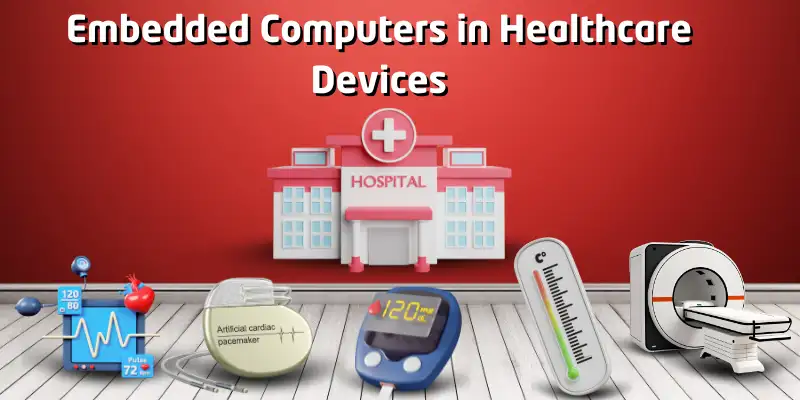
Healthcare relies heavily on embedded systems for accurate monitoring and treatment.
Heart Rate Monitors
Embedded computers track heartbeats and provide precise data to monitor cardiac health.
Pacemakers
Pacemakers use embedded systems to regulate heart rhythms, ensuring the heart beats at a safe rate.
Blood Glucose Monitors
These devices use embedded computers to provide fast, accurate sugar-level readings for diabetes management.
Thermometers
Modern thermometers with embedded systems deliver quick, reliable temperature measurements.
MRI Machines
MRI machines rely on embedded computers to control scanning operations and produce detailed medical images for diagnostics.
Embedded Computers in Automotive Systems
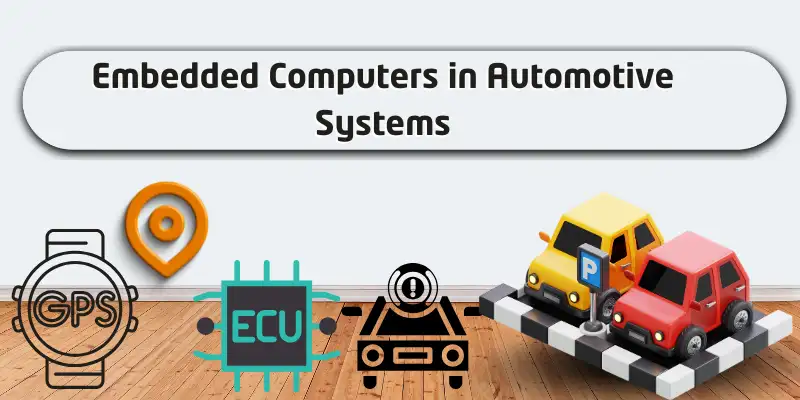
Cars are powered by multiple embedded systems to enhance safety, performance, and efficiency.
Engine Control Units (ECU)
ECUs optimize fuel and air mixture to improve engine performance, reduce emissions, and enhance fuel efficiency.
Anti-lock Braking Systems (ABS)
ABS uses embedded computers to prevent wheel lock-up during braking, ensuring safety on slippery roads.
Airbag Control Systems
Embedded computers detect collisions and deploy airbags in milliseconds, protecting passengers.
GPS Navigation Systems
GPS systems rely on embedded computers to provide accurate routing and real-time traffic updates.
Parking Sensors
Embedded systems in parking sensors detect obstacles and alert drivers, reducing accidents during parking.
Embedded Computers in Industrial and Manufacturing Systems
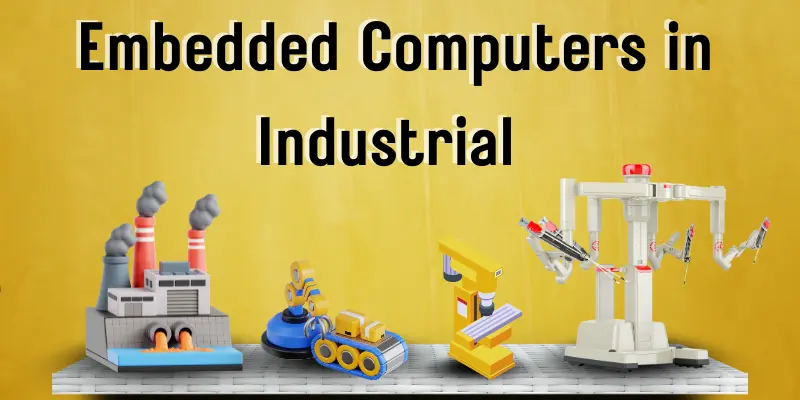
Embedded systems are crucial for automating and optimizing industrial operations.
CNC Machines
Embedded computers guide CNC machines to cut and shape materials precisely.
Robotics Systems
Robots use embedded computers to perform complex assembly and handling tasks efficiently.
Assembly Lines
Embedded systems synchronize machinery in assembly lines, ensuring smooth and accurate production.
Conveyor Belts
Computers manage conveyor belt speed and movement, ensuring products reach the right place at the right time.
Process Control Systems
Embedded computers monitor temperature, pressure, and speed in production processes, maintaining quality and safety.
Embedded Computers in Consumer Electronics
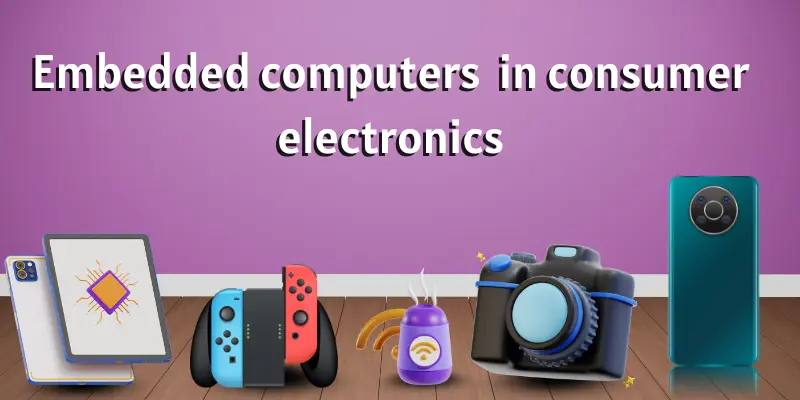
Everyday electronics rely on embedded computers to deliver powerful performance and ease of use.
Smartphones
Embedded computers manage apps, cameras, battery, and touchscreen functionality, making smartphones efficient and versatile.
Tablets
Tablets use embedded systems for smooth multitasking, gaming, and internet browsing.
Digital Cameras
Embedded computers control focusing, image processing, and storage, enhancing photography.
Gaming Consoles
Embedded systems handle graphics, audio, and gameplay for a seamless gaming experience.
Smart Speakers
Smart speakers use embedded computers for voice recognition and audio output, enabling intelligent interactions.
Embedded Computers in Telecommunications and Networking
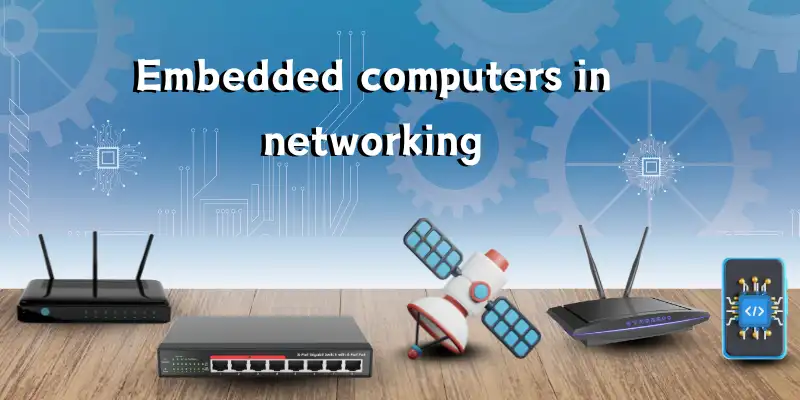
Communication devices depend on embedded computers to process data and ensure connectivity.
Routers
Embedded systems manage data flow between devices, improving internet speed and reliability.
Modems
Modems rely on embedded computers to convert data for faster internet communication.
Network Switches
Embedded computers route data efficiently between multiple devices, maintaining network performance.
Mobile Phones
Beyond basic functions, embedded computers handle calls, messaging, and internet applications.
Satellite Systems
Satellites use embedded systems to process signals, ensuring accurate long-distance communication.
Embedded Computers in Military and Defense
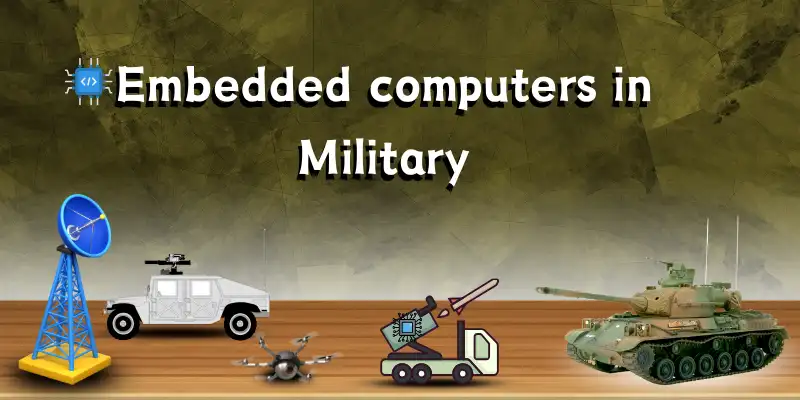
Embedded computers enhance precision, safety, and efficiency in military applications.
Drones
Embedded computers control drone navigation, stability, and cameras for surveillance and operations.
Radar Systems
Radar systems process signals using embedded computers to detect and track targets accurately.
Military Vehicles
Embedded systems manage navigation, engine performance, and communication for military vehicles.
Communication Systems
Secure messaging and radio systems rely on embedded computers for fast and reliable communication.
Guided Missiles
Embedded computers guide missiles with precision, adjusting trajectories in real time.
Embedded Computers in Retail and Finance
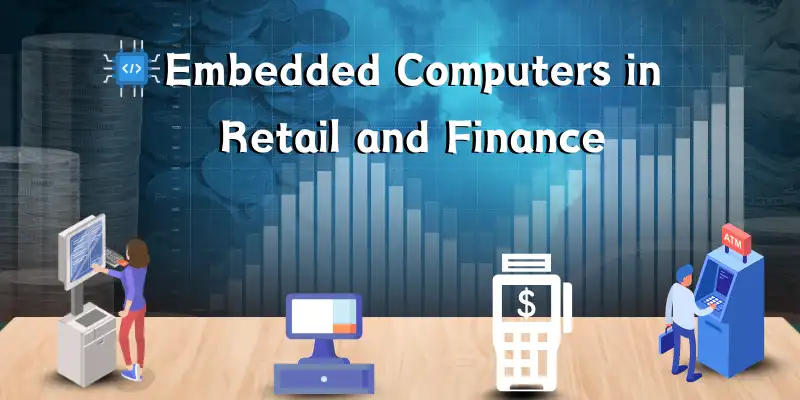
Retail and financial industries use embedded computers to improve service efficiency.
Point of Sale (POS) Systems
POS systems process transactions quickly, manage inventory, and ensure secure payments.
ATM Machines
ATMs use embedded computers to facilitate withdrawals, balance checks, and transfers efficiently.
Self-checkout Kiosks
Embedded systems in self-checkout kiosks allow seamless customer transactions without staff assistance.
Embedded Computers in Agricultural Systems
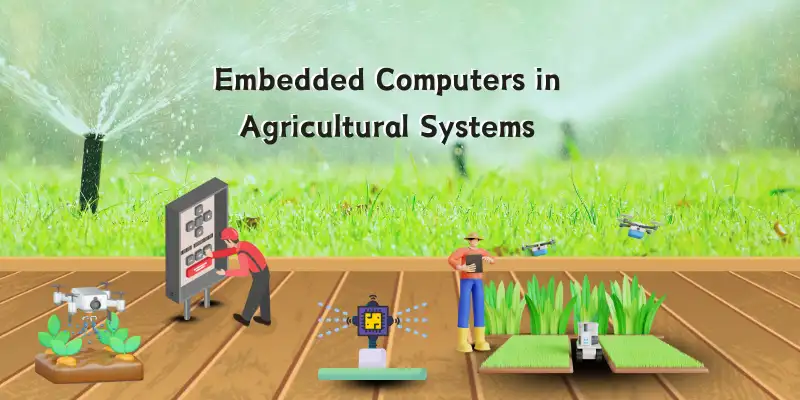
Farming has become smarter and more efficient with embedded systems.
Automated Irrigation Systems
Embedded computers regulate water delivery based on soil moisture and crop needs.
Drones for Crop Monitoring
Drones use embedded computers to monitor crop health and detect pests or diseases.
Soil Sensors
Embedded systems measure soil conditions, helping farmers optimize planting and harvesting decisions.
Frequently Asked Questions:
What is an embedded computer?
An embedded computer is a specialized computing system built into a device to perform specific tasks. Unlike regular computers, it focuses on efficiency, reliability, and automation within the device.
Why are embedded computers important?
Embedded computers make devices smarter and more efficient. They improve safety, speed, accuracy, and convenience in everything from household appliances to cars and medical equipment.
How do embedded computers work in cars?
Embedded computers in cars manage critical systems such as engine performance, braking, airbags, GPS navigation, and parking sensors. They ensure safety, efficiency, and smooth driving.
Are embedded computers used in healthcare?
Absolutely. Devices like heart rate monitors, pacemakers, blood glucose monitors, thermometers, and MRI machines rely on embedded computers to monitor health, deliver accurate results, and improve patient care.
Do embedded computers consume a lot of power?
Most embedded computers are designed to be energy-efficient. They are optimized to perform specific tasks without draining excessive power, making them ideal for devices like smart home appliances and portable electronics.
How do embedded computers improve industrial processes?
In manufacturing, embedded systems control machinery like CNC machines, robotics, assembly lines, and conveyor belts. They enhance precision, speed, and consistency in production.
Can embedded computers be updated or upgraded?
Some embedded computers allow software updates to improve performance or add features. However, hardware upgrades are limited since these systems are usually integrated into the device.
Conclusion
Embedded computers are the hidden engines powering modern life. From smartphones and smart TVs to cars, medical devices, and industrial machinery, these tiny but powerful systems make everyday tasks smarter, faster, and more efficient. They improve safety, enhance convenience, and optimize performance across multiple industries. Understanding how embedded computers work and where they are used highlights their transformative role in technology. As innovation continues, embedded systems will become even more integral, driving smarter homes, safer transportation, advanced healthcare, and more efficient industries.