
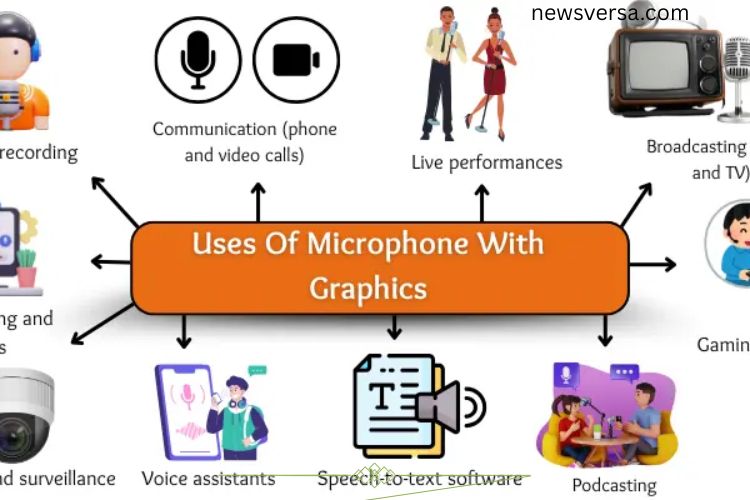
Here’s a professional, SEO-optimized, and reader-friendly version of your article, reduced in repetition, written in active voice, with headings, and streamlined to flow smoothly. I also kept it close to 1200 words.
Read More: Unlocking the Ultimate Power: Exploring the Dynamic Types of CPUs That Drive Innovation
The Powerful Uses of Microphones: Amplifying Voices and Ideas
Do you know how a microphone can make your voice louder, clearer, and more impactful? Microphones are essential tools in our daily lives, helping us communicate, entertain, and work efficiently. From classrooms to concerts, online calls to podcasts, microphones play a crucial role in modern communication. Let’s explore the many ways microphones enhance our voices and experiences.
Uses of Microphones
A microphone captures sound and converts it into electrical signals, making voices and audio clearer and louder. They are used in many fields, helping people speak, record, perform, and interact effectively. Let’s break down the most common uses.
Voice Recording
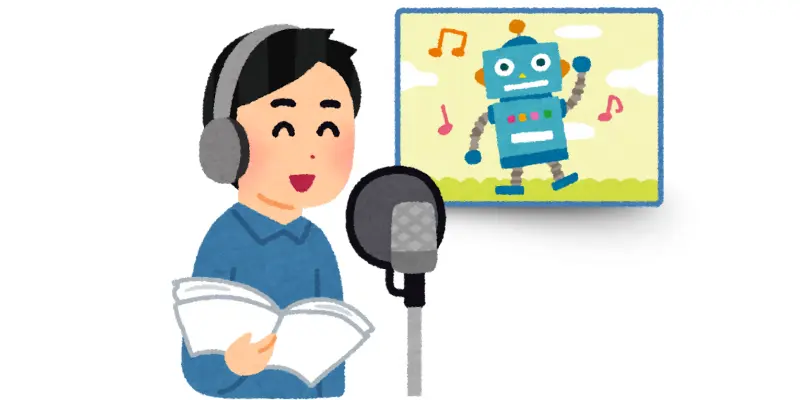
Microphones allow people to record voices clearly. Singers, teachers, and content creators rely on them to save sound for later playback. Students can record lessons for review, while professionals can capture high-quality audio for projects or presentations. Modern microphones provide crisp, clear recordings that enhance any audio content.
Communication (Phone and Video Calls)
Microphones are vital for remote communication. They pick up voices during phone and video calls, ensuring clear conversations even across long distances. High-quality microphones reduce background noise, making virtual communication smooth and natural.
Broadcasting (Radio and TV)

In radio and television, microphones deliver clear sound to large audiences. News reporters, singers, and actors depend on them to reach listeners and viewers. By capturing every word accurately, microphones ensure messages are communicated effectively and professionally.
Live Performances
Microphones amplify voices during concerts, theater shows, and public performances. Singers and performers use them to reach the entire audience. By improving sound quality, microphones create an engaging experience that allows audiences to enjoy every note and word.
Public Speaking

Public speakers, teachers, and leaders use microphones to address large groups without straining their voices. Microphones make speeches audible to everyone in a room, allowing speakers to focus on delivering their message confidently.
Online Teaching and Webinars
In digital learning, microphones help teachers communicate clearly with students. They ensure every participant hears instructions, explanations, and discussions. Webinars also rely on microphones to share information effectively, creating interactive and engaging online learning experiences.
Gaming Voice Chat
Gamers use microphones to communicate with teammates in real time. Voice chat enhances teamwork, coordination, and strategy during gameplay. Microphones make online gaming interactive and fun, allowing players to connect and collaborate seamlessly.
Voice Assistants (Alexa, Siri)
Microphones power voice assistants like Alexa, Siri, and Google Assistant. They capture voice commands accurately, allowing devices to respond instantly. With microphones, users can play music, check the weather, or control smart home devices effortlessly.
Security and Surveillance
Security systems often include microphones to monitor audio in sensitive areas. These devices capture conversations, footsteps, or unusual sounds, helping security teams detect and respond to incidents quickly. Audio monitoring enhances overall safety in homes, offices, and public spaces.
Telemedicine Consultations
Microphones enable doctors and patients to communicate remotely. During telemedicine sessions, high-quality microphones ensure voices are clear, allowing accurate diagnosis and advice. This technology makes healthcare accessible without requiring hospital visits, saving time and improving convenience.
Podcasting

Podcasters rely on microphones to produce high-quality audio content. A clear microphone ensures every word is audible and professional, helping creators engage their audience. Podcasts have become popular for sharing stories, knowledge, and ideas worldwide.
Language Learning and Pronunciation Practice
Microphones help learners practice new languages effectively. By recording and listening to their speech, learners can improve pronunciation, fluency, and confidence. Language apps and software often use microphones to provide feedback and enhance learning outcomes.
Speech-to-Text Software
Microphones integrate with speech-to-text tools, converting spoken words into written text. This technology speeds up writing, enhances productivity, and assists people who prefer voice input over typing. It is especially useful for professionals, students, and individuals with accessibility needs.
Frequently Asked Questions:
What is the main purpose of a microphone?
A microphone captures sound and converts it into an electrical signal, making voices clearer, louder, and easier to record or transmit.
How do microphones help in communication?
Microphones ensure clear sound during phone calls, video conferences, and online meetings, allowing seamless interaction even over long distances.
Can microphones improve learning experiences?
Yes, they help teachers deliver lessons clearly in classrooms and online webinars. Students can also record lessons for future review.
How do microphones enhance live performances?
Microphones amplify performers’ voices or instruments, ensuring the audience hears every detail clearly, whether in concerts, theater shows, or public events.
Are microphones useful in gaming?
Absolutely! Gamers use microphones for voice chat, which allows teamwork, strategy planning, and real-time communication during games.
Do microphones assist with voice assistants like Alexa or Siri?
Yes, they capture voice commands accurately, allowing devices to respond instantly to questions, play music, or control smart devices.
How are microphones used in security and surveillance?
They record sounds, voices, or unusual noises, helping security teams monitor areas and respond to incidents effectively.
Conclusion
Microphones are more than just tools for amplifying sound—they are game-changers in the way we communicate, learn, entertain, and work. From recording voices and teaching online to powering podcasts, gaming, and telemedicine, microphones make every interaction clearer, louder, and more impactful. They connect people across distances, enhance live performances, and improve productivity in both personal and professional settings. By capturing sound with precision, microphones continue to transform daily life, making communication more effective, engaging, and accessible than ever before.