


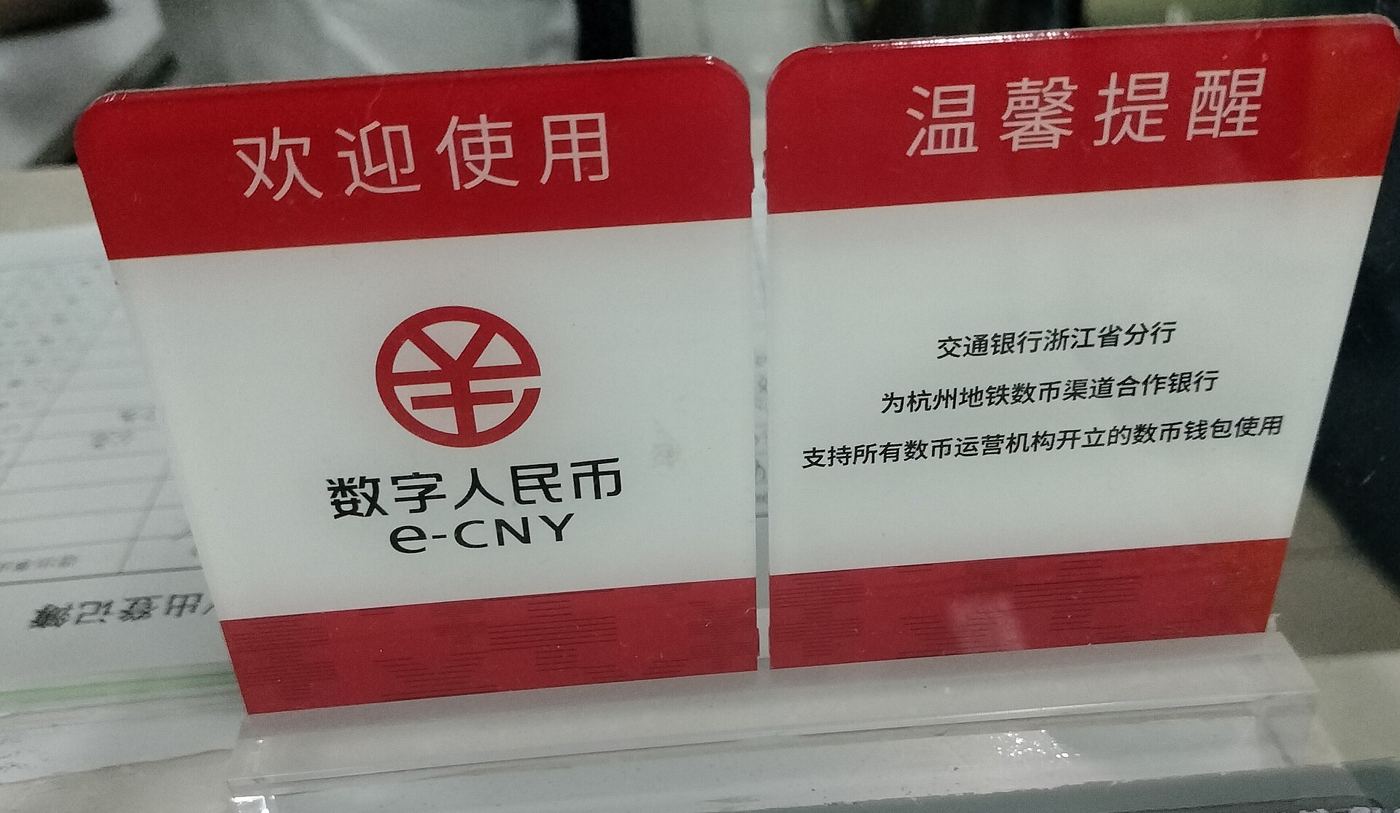
Cash has a new competitor, and it is issued by the same authority that prints the notes. Central bank digital currencies — CBDCs — are digital versions of a country’s money, backed directly by its central bank rather than by a commercial bank or a private stablecoin issuer. According to trackers such as the Atlantic Council, well over a hundred countries, representing nearly all of global GDP, are now exploring them; a handful have launched fully, and large economies are running advanced pilots.
Why central banks are bothering
The motivations differ by country. Some want payment systems that keep working when private networks fail. Others want to reach citizens who have phones but no bank accounts. Emerging economies see a chance to cut the cost of remittances; advanced economies worry about depending on a few dominant private payment firms, and about what happens to monetary policy if cash disappears and private digital money takes its place unregulated.
On newsversa.com our finance team notes a subtler driver: data and sovereignty. A CBDC gives a state a public option in the payments market — a benchmark that disciplines private providers on fees and reliability even if most citizens rarely use it directly.
The privacy argument
Critics raise a serious concern. Cash is anonymous; a badly designed CBDC could let a state observe every transaction its citizens make. Central bankers respond that designs can tier privacy — anonymous for small payments, identified for large ones — and that laws, not just technology, will govern access. The debate is live in legislatures from Europe to the United States, where scepticism has slowed projects and pushed designers toward models that work through commercial banks rather than replacing them.
Our Finance coverage also highlights the technical experiments: offline payments for areas without connectivity, instant settlement between different banks, and programmable features such as vouchers that can only be spent on school meals or farm inputs.
What it means for your wallet
For most people in pilot countries, the honest answer so far is: very little, day to day. Payments already feel instant in many places, and CBDC apps compete with polished private rivals. The real changes are structural — cheaper cross-border transfers, more resilient national payment rails, and a public backstop if a major private provider fails. Cash’s successor is arriving not with a bang but as plumbing: invisible, contested, and likely to matter most precisely when something else goes wrong.
The stablecoin complication
CBDCs do not enter an empty field. Privately issued stablecoins — digital tokens pegged to currencies and backed by reserves — have grown rapidly for cross-border payments and crypto trading, and several large economies have now written them into law. Central bankers increasingly describe the two as a system to be designed together: stablecoins as the competitive, innovative edge, CBDCs as the public anchor that keeps the unit of account sovereign and settlement final. Which balance each country strikes will vary, but the era in which digital money’s future belonged purely to private experimentation is ending. The state’s oldest monopoly — the definition of money itself — is being renegotiated in public.
